Mobile Abrasive Blasting: How On-Site Blasting Works and What It Costs
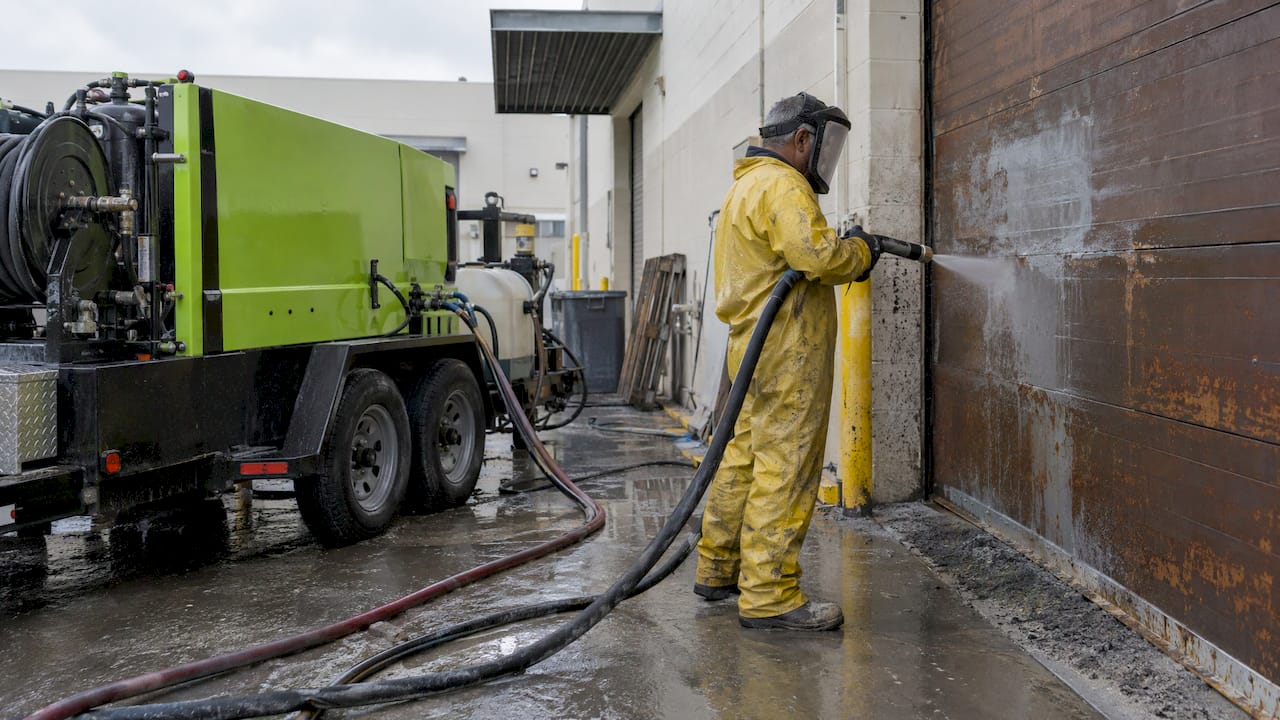
Mobile abrasive blasting means the crew and the equipment come to your building, floor, fence or steel, and the surface is stripped where it stands. For occupied buildings, tight sites and jobs that cannot be trucked to a shop, wet (dustless) blasting is the method we recommend, because water holds the dust down while the abrasive does the work. Our self-contained rigs carry their own air and power, so we need parking and access to the surface, and nothing more from your site. Pricing in the Bay Area starts at $3 per square foot for blasting and paint removal, and $2 per square foot for concrete grinding.
TL;DR
- Mobile abrasive blasting uses compressed air or water to drive abrasive at a surface and strip paint, rust, coatings or graffiti on site, with no need to move the work to a shop.
- Wet blasting mixes water into the stream, which significantly reduces dust compared with dry blasting. Our process produces up to 92% less dust than traditional dry sandblasting.
- Our published prices: from $3 per sq ft for dustless blasting, paint removal and rust and metal blasting; from $2 per sq ft for concrete grinding and grind and seal; $2 to $3 per sq ft for surface preparation.
- Old coatings can contain lead, and spent material may need special handling, so tell us the age and history of the surface when you ask for a free estimate.
Table of Contents
- What mobile abrasive blasting is
- Dry mobile rigs and wet mobile rigs
- Why on-site beats hauling the work out
- What it can and cannot be used on
- Dust, safety and the people nearby
- Lead paint and spent material
- What mobile abrasive blasting costs
- How a mobile blasting job runs
- Book mobile blasting in the Bay Area
- Our view: why we blast wet
- FAQ
- Sources
What mobile abrasive blasting is
OSHA describes abrasive blasting as using compressed air or water to direct a high-velocity stream of abrasive material at a surface, to clean it, texture it or prepare it for paint or other coatings. “Mobile” or “on-site” simply means the equipment is trailer- or truck-mounted and travels to the job.
People often say sandblasting when they mean any abrasive blasting. Sandblasting is one type, using sand as the abrasive, and modern crews rarely use silica sand because of the health risk. Today the term usually covers blasting with slag, garnet, glass or similar media. If you want a side-by-side on what each method removes, see our comparison of dustless blasting, sandblasting and pressure washing.

Dry mobile rigs and wet mobile rigs
TWI explains that portable dry systems pair a diesel air compressor with pressurized blast pots that meter the media. Wet systems introduce the media into a pressurized water stream to form a slurry, which reduces dust. Those are the two families you will be quoted on.
| Dry mobile blasting | Wet (dustless) mobile blasting | |
|---|---|---|
| How it works | Compressed air drives dry media | Water and media travel in one stream |
| Dust | High, usually needs containment | Much lower, water binds fine particles |
| Cleanup | Dry media to sweep or vacuum | Slurry to collect and rinse |
| Best fit | Open industrial sites, heavy steel | Occupied buildings, brick, wood, concrete, mixed surfaces |
Wet blasting leaves slurry behind. Hempel’s surface-preparation guidance notes the slurry should be rinsed off before it dries into a hard layer, which is why our crews plan cleanup as part of the job, not after it.
Why on-site beats hauling the work out
Trucking a gate, a staircase or a section of railing to a shop costs time and cannot be done at all for floors, walls, loading docks or parking structures. A mobile rig solves that. Ours are self-contained: they carry their own air and power, so you do not need to provide a compressor, a generator or a hookup. We need a place to park and access to the surface.
That matters most for three kinds of reader:
- Contractors who need a surface ready to a coating spec before the next trade arrives, and cannot wait on a shop queue.
- Property managers with graffiti, faded stripes, rusted railings or painted brick in a building that stays open.
- Homeowners restoring decks, fences, brick or a concrete garage floor.
- Industrial facilities that need equipment, tanks or floors cleaned without shipping them out.
What it can and cannot be used on
Hard metals such as structural steel and cast iron tolerate aggressive abrasives, while soft metals and delicate materials need gentler media. Concrete and masonry accept a wide range. In practice the media and pressure are matched to the surface, which is the main reason to hire a crew rather than rent a machine.
Surfaces and jobs we handle across San Francisco and the Bay Area:
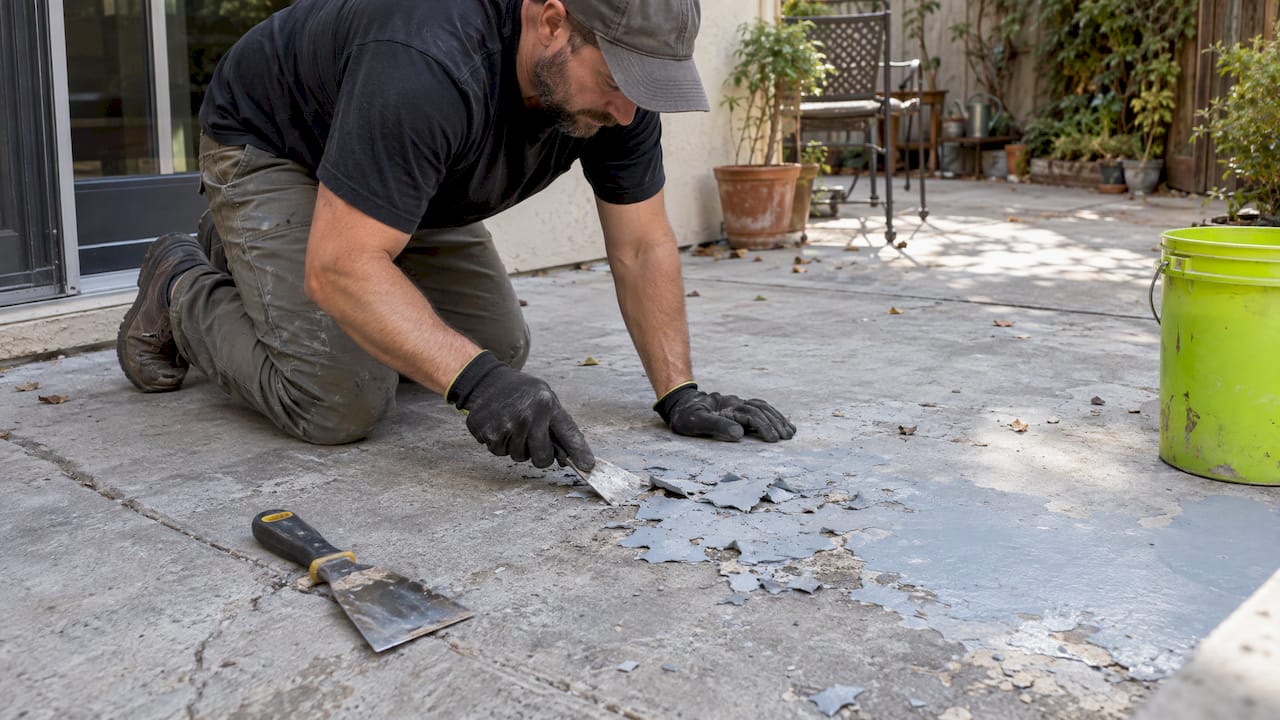
- Concrete: coating and stripe removal, grinding, grind and seal, polishing
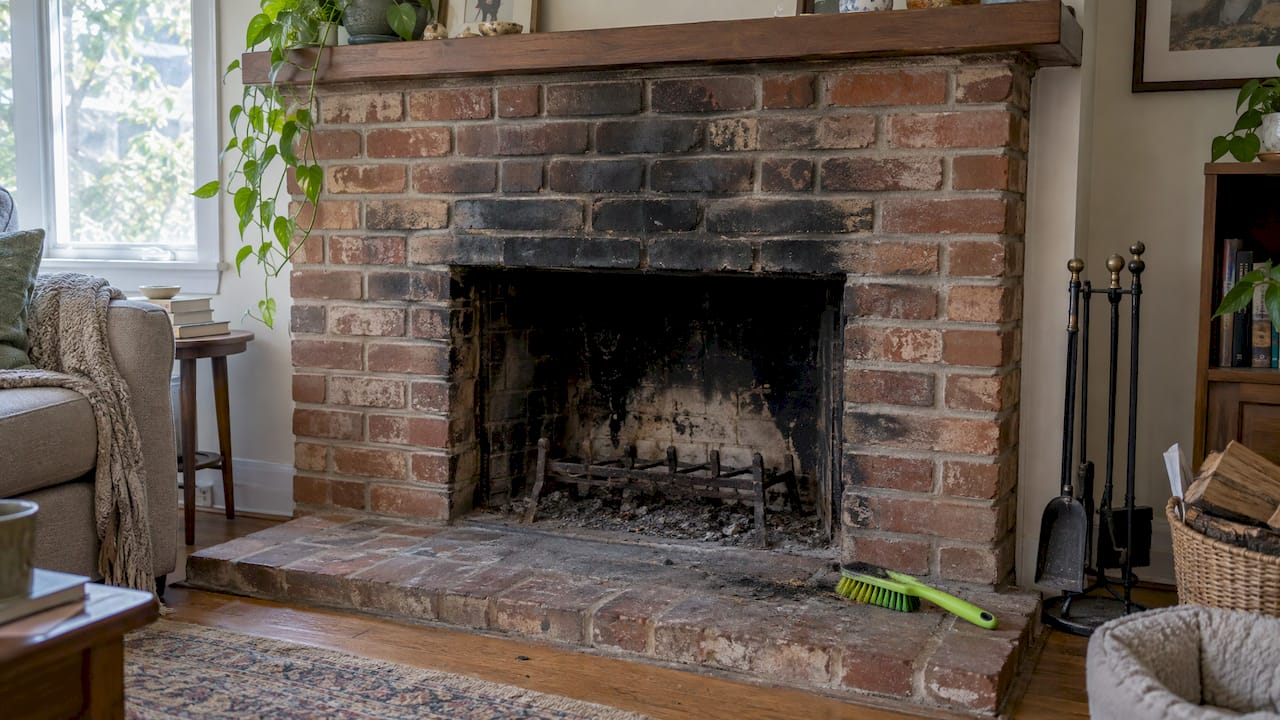
- Brick and masonry: paint removal and cleaning (see our guide to removing paint from brick in San Francisco)
- Metal: rust and old coating removal, plus prep for powder coating (see metal surface cleaning)
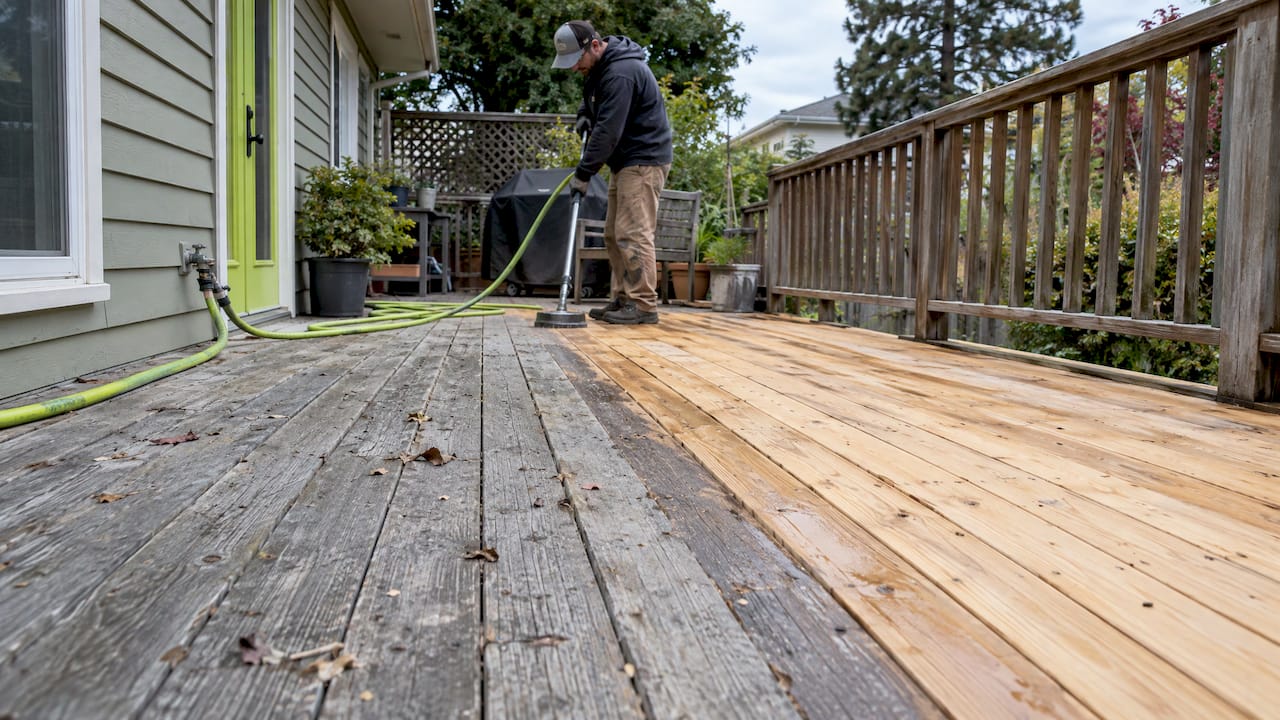
- Wood: restoration of decks and fences (see deck paint removal)
- Graffiti and parking lot lines: our graffiti removal and stripe removal services
Dust, safety and the people nearby
Blasting is regulated work because of what comes off the surface and what the abrasive can release. OSHA lists silica sand as a cause of silicosis and lung cancer, notes that several slags and garnet may cause similar lung damage, and points out that blasting also creates high noise levels that trigger hearing protection requirements.
The same OSHA fact sheet sets the order of controls: first engineering measures such as substituting less toxic media, using water-delivered abrasive, barriers and restricted areas, and only where those cannot hold exposure below the limits, NIOSH-approved respiratory protection. Wet blasting is on OSHA’s list of controls because it works at the source.
Three practical points for anyone hiring:
- Dust control is a worksite plan, not only a machine. Barriers, exclusion zones and cleanup all matter. For a broader look at worksite controls, ventilation and respiratory protection, read about safety risks to employees.
- Operators need training and proper air-supplied protection. AMPP states that OSHA expects NIOSH-standard respirators, Grade-D breathing air and operator training for abrasive blasting.
- Keep people out of the work zone. Rebounding abrasive and coating chips travel. Residents, staff and pets should stay clear until the crew says the area is released.
Lead paint and spent material
If a building is old, assume the paint could contain lead until it is tested. The North Carolina Department of Labor warns of lead exposure when blasting lead-based paint, and it is why we ask for the building’s age and any prior test results at the start. We offer lead paint removal with containment; details are on our lead paint removal page.
What is removed from the surface also becomes waste. Industry guidance advises that spent media from lead-based paint or chromate primers can fail leaching tests and be classed as hazardous waste. Tell us what you know about the coating history so the plan accounts for it before work begins.
On construction sites, the silica rules also apply when the substrate itself contains silica, such as concrete and brick. J.J. Keller’s summary points to 29 CFR 1926.1153 for construction tasks. Contractors should confirm their site’s silica exposure control plan covers any blasting on it.

What mobile abrasive blasting costs
Price depends on the surface, the coating, the access and the size of the area. Our published starting prices, read from our site in November 2026, are per square foot:
| Service | Published price |
|---|---|
| Dustless blasting | From $3 per sq ft |
| Paint removal | From $3 per sq ft |
| Rust and metal blasting | From $3 per sq ft |
| Concrete grinding and grind and seal | From $2 per sq ft |
| Surface preparation | $2 to $3 per sq ft |
| Concrete polishing, graffiti removal, line and stripe removal, wood restoration, masonry and brick cleaning, lead paint removal, powder coat prep | Quoted per project |
What moves the quote:
- Coating thickness and layers. Several coats of paint take longer than one.
- Substrate. Brick, soft wood and thin metal need gentler settings and more care than slab concrete.
- Spec. A job that must meet a stated coating specification takes more passes than a cosmetic clean.
- Access and area. Tight spaces, heights and distance from parking add time.
- Containment and waste. Lead or unknown coating history adds protection and handling.
When you compare quotes, ask each provider what the price per square foot includes: cleanup, containment, mobilization and the finish level. For a breakdown of day rates and what changes them, see our Bay Area dustless blasting cost guide.
How a mobile blasting job runs
- Describe the surface. Material, size, current coating, age of the building and photos. This is what a good estimate is built on.
- Get a free estimate. We give free estimates and quick site visits. Confirm the scope in writing: square footage, the finish you want and whether the work must meet a coating spec.
- Plan access. The rig needs parking and access to the surface. We bring our own air and power, so you do not need to arrange utilities.
- Mark the work zone. Move vehicles, furniture and plants. Protect anything adjacent that should not be wet or hit by rebound.
- Blast and collect. The crew works the surface with media matched to the material, while slurry and removed coating are contained and collected.
- Rinse and inspect. Slurry is rinsed before it hardens, and the surface is checked against what was agreed.
- Coat or seal on schedule. Bare steel and concrete should not sit long before a coating goes on, so line up the next trade before blasting begins. For floors, our grind and seal service can follow the prep.
Book mobile blasting in the Bay Area
We offer mobile dustless blasting, paint removal, rust and metal blasting, concrete grinding and polishing, graffiti and stripe removal, wood restoration, masonry cleaning and lead paint removal across San Francisco and the Bay Area. Start with our services overview or go straight to dustless blasting from $3 per sq ft. Send us the surface, the size and a photo, and we will schedule a site visit and a free estimate.

We serve contractors, property managers, homeowners and industrial facilities, and we aim for swift scheduling. You can also see local pages for San Francisco, the Peninsula and Oakland.
Our view: why we blast wet
Most surface prep problems we hear about are not about the blasting itself. They are about what happens around it: dust drifting into an open building, a crew that needs power the site does not have, or a quote that did not say what was included.
That is why our rigs are self-contained and why our process is wet. Water holds the dust down, and our process produces up to 92% less dust than traditional dry sandblasting. We arrive, park, and work on the surface in front of us, whether it is concrete, wood, brick, metal or asphalt.
We publish starting prices because a number you can check beats a vague promise. Blasting from $3 per square foot, grinding from $2, surface prep at $2 to $3. If your job has lead paint, a tight spec or a hard-to-reach surface, tell us up front and we will price it that way.
For contractors, the goal is a surface ready for the next coat on your schedule. For property managers and homeowners, it is a clean result with the building still in use.
USA
FAQ
What is the difference between sandblasting and abrasive blasting?
Abrasive blasting is the broad category: forcing an abrasive against a surface using air pressure, water pressure or centrifugal force. Sandblasting is the version that uses sand, and the name stuck for the whole category. Modern jobs mostly use other media, matched to the surface.
Does mobile blasting need power or water at my site?
Not with our rigs. They are self-contained and carry their own air and power, so we need parking and access to the surface. If you have questions about a specific location, such as a rooftop or a basement, tell us when you request the estimate.
How much does mobile abrasive blasting cost in the Bay Area?
Our published starting prices are from $3 per square foot for dustless blasting, paint removal and rust and metal blasting, and from $2 per square foot for concrete grinding and grind and seal. Surface preparation runs $2 to $3 per square foot. Other services are quoted per project, and estimates are free.
Is dustless blasting really dust-free?
No blasting method removes coatings with zero dust, but wet blasting cuts it sharply because water binds fine particles. We say up to 92% less dust than traditional dry sandblasting. Barriers, cleanup and keeping people out of the work zone still apply.
Can you blast surfaces that may have lead paint?
Yes, we offer lead paint removal. Tell us the building’s age and any test results when you ask for the estimate so the job is planned with the right containment and waste handling from the start.
Sources
- OSHA 3697: Protecting Workers from the Hazards of Abrasive Blasting
- AMPP: Waterjet and wet abrasive blast cleaning methods
- AMPP: Dry abrasive blasting equipment and safety procedures
- NC DOL: Abrasive Blasting
- TWI: What is Abrasive Grit Blasting?
- Hempel: Surface preparation guideline
- J.J. Keller: Abrasive blasting regulations
- Sandblasting media buyer’s guide
- Abrasive media FAQ: spent media and storage
- Capital For Business: safety risks to employees
Recommended
- Dustless Blasting Services in the Bay Area: What They Cost and Cover
- Dustless Blasting Cost in the Bay Area (2026): Per Square Foot, Day Rates & What Moves the Price
- Rust Removal Blasting in California: Methods, Rules and Cost
- Dustless Blasting vs. Sandblasting vs. Pressure Washing: Which Removes What